


Napoleon is a captivating trick-taking card game steeped in historical intrigue and strategic challenge. This game of skill often evokes the spirit of its namesake, the famed French military leader. With a mix of clever tactics and social interaction, Napoleon continues to fascinate card enthusiasts worldwide. As recently as the digital age, card games like Napoleon have witnessed a resurgence, gaining new followers and invigorating traditional gaming.
The game Napoleon traces its origins back to the early 19th century, a time shadowed by the figure of Napoléon Bonaparte himself. While the exact origins remain somewhat nebulous, it is often believed to have been popularized in England in the early 1800s. The game's name, "Napoleon," hints at both the historical context and the daring strategies that players employ, akin to those of the game’s historic namesake.
Trick-taking games like Napoleon owe their popularity to their blend of luck, skill, and social engagement. With its straightforward rules and intricate strategic opportunities, Napoleon fits comfortably within this popular genre. In recent years, with a surge in online gaming and a renewed interest in board and card games, Napoleon has seen a resurgence in popularity. The COVID-19 pandemic further fueled this resurgence as people sought engaging ways to maintain social connections while adhering to social distancing measures.
The fundamental objective of Napoleon is for one player, the "Napoleon," to win at least the number of tricks they bid. The game typically accommodates three to seven players, utilizing a standard 52-card deck. What differentiates Napoleon from other trick-taking games is its bidding system and use of specific hierarchical strategies, which requires both initiative and careful planning.
The game begins with each player being dealt five cards, although variant rules may occasionally apply. The lead player, often chosen by drawing the highest card, initiates a bidding round, where players place a bid on how many tricks they believe they can win. The bidding stage is crucial, as the player who bids the highest number becomes "Napoleon" and leads the round. Napoleon gets to pick a partner by selecting one card from hand, usually an ace, and the partner will be the one holding the ace of that suit.
The rules take a unique twist with a role known as the "Emperor." This intriguing facet adds an extra layer of strategic depth, as the emperor has the power to alter the direction of gameplay. During a pivotal phase that varies by regional rules, the emperor can change the trump suit, thus influencing the hand's outcome. The selection as emperor is typically derived from a series of bids or randomly, depending on tradition or house rules.
Napoleon is as much a mental exercise as it is a game of luck. Successful players often draw parallels with historical strategies, planning several moves ahead, and preparing to adjust tactics on the fly. Experienced players understand the art of deception in bidding and trick play, which can thwart opponents’ plans and ensure a winning edge. As each round unfolds, players must balance the push to win tricks against the potential risk of overbidding.
In today's digital world, Napoleon has found a new lease on life through online platforms, enabling players from diverse regions to converge in virtual spaces. This revival reflects broader gaming trends, where traditional games are reimagined for a younger, tech-savvy generation. As people rediscover the joys of face-to-face interaction supplemented by digital platforms, games like Napoleon become a cultural bridge, connecting players across different demographics and regions.
In light of the recent surge of interest in card games, global gaming conventions now showcase card game tournaments alongside high-profile esports events. This eclectic melding of old and new underscores a cultural appreciation for games like Napoleon while acknowledging their adaptability and timeless appeal. Events like these fuel the global gaming economy and highlight its evolution.
While traditionally overshadowed by more ubiquitous games, Napoleon stands as a testament to the enduring appeal of strategy-infused, historical-themed gameplay. Its revival amidst modern gaming trends speaks to its lasting charm and intricate playstyle, ensuring it remains as engaging today as it was in centuries past.

Dive into the exhilarating gameplay of VegasNoLimitWinsSE, a captivating blend of strategy and chance. Explore the game's unique features and rules in the context of today's gaming landscape.
Dive into the captivating universe of FortuneGems, where strategy meets thrill. Discover how to play, win, and master this engaging game in our detailed exploration.

Explore the enchanting world of GoHighPuppyLove, a captivating game where the adventure unfolds with the magic of aceph.
Discover the captivating world of MrTreasuresFortune, a game of strategy, adventure, and intrigue, with insights into its gameplay and rules.
Dive into the captivating world of TreasureQuest, a thrilling adventure game where players seek hidden treasures, solve intricate puzzles, and embark on legendary quests.
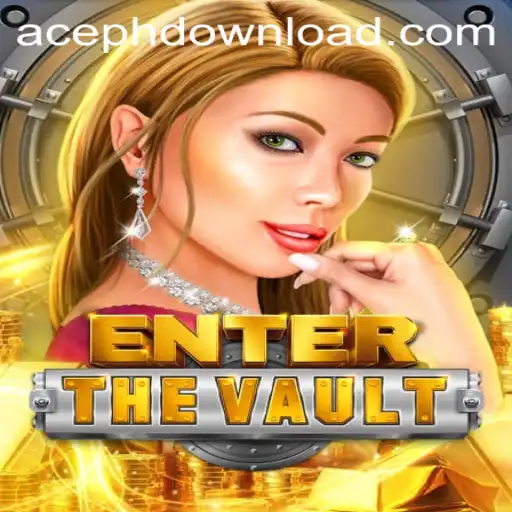
Step into the captivating universe of EntertheVault, a game designed to challenge and intrigue with its unique ACEph mechanic. Discover its immersive world and complex rules.
